Home›Field notes›Inspection
Why we photograph roofs at seven in the morning
Hail bruising is a shadow, not a colour. At noon there are no shadows, which is how a damaged roof passes an inspection.
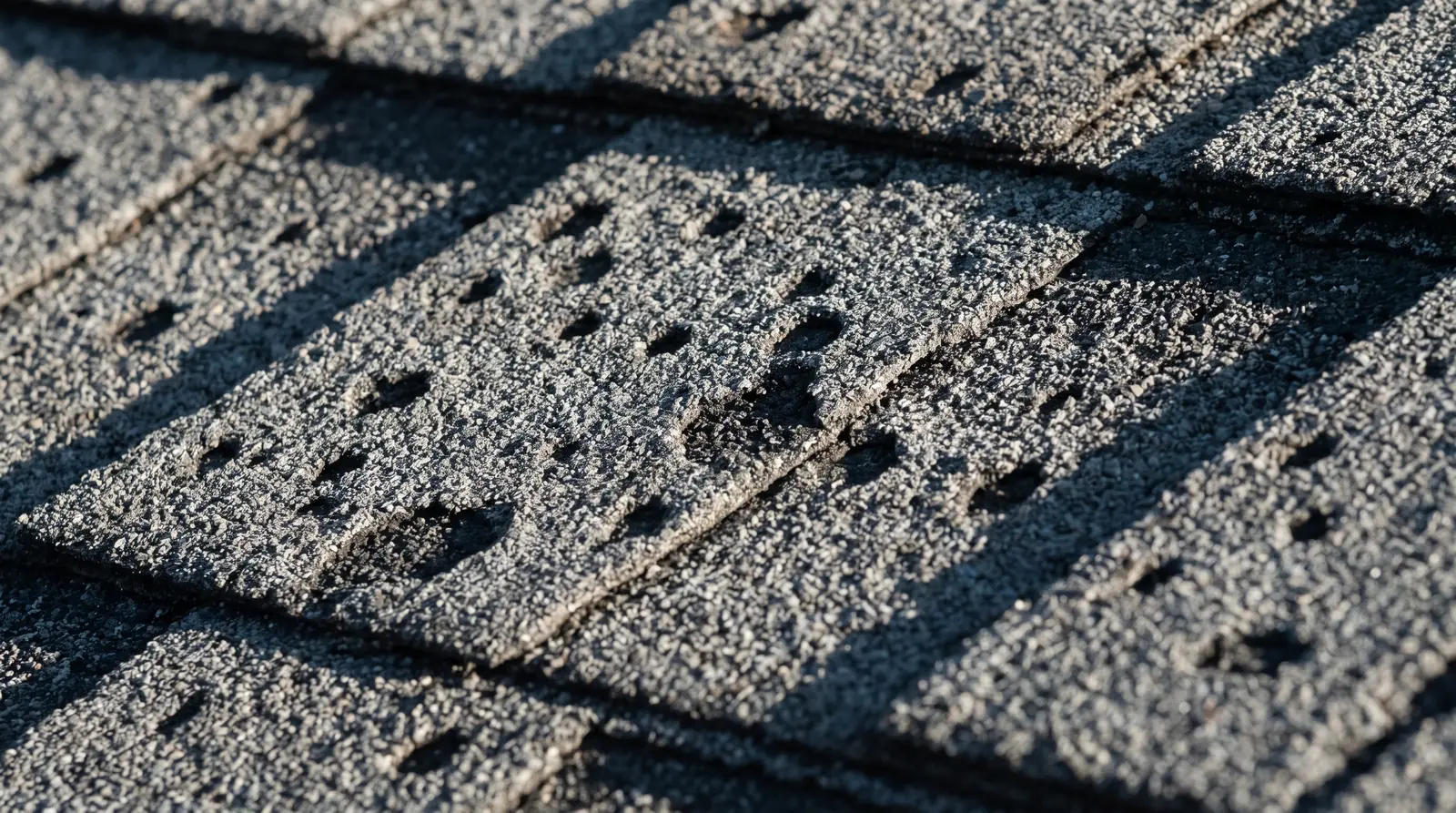
A roof that looks fine at one in the afternoon can look wrecked at seven in the morning, and neither photograph is lying. The roof has not changed. The light has.
What hail actually leaves behind
A hail strike on an asphalt shingle rarely punches a hole. It knocks the granules loose and bruises the mat underneath, leaving a soft dish a couple of centimetres across. The dish is perhaps a millimetre deep. In colour terms it is almost identical to the shingle around it.
A millimetre of depth is invisible under a light source directly overhead, because a dish that shallow casts no shadow when the sun is at ninety degrees. Move the sun down to fifteen or twenty degrees above the horizon and the same dish throws a shadow several times its own depth. That is the whole trick, and it is why the time of the appointment matters more than the camera.
The damage does not appear in the morning. It was there at noon. It just had nothing to cast a shadow on.
What we do about it
- Inspections are booked into the first two hours after sunrise or the last two before sunset
- Each slope is shot along the light, not across it, so the shadows run toward the lens
- Nothing is lifted, swept or chalked before the first set of photographs is taken
- A tape or a coin goes in the frame for scale on anything we are calling out
- The whole set goes to you, including the slopes with nothing on them
Why the boring slopes matter too
Photographing the undamaged slopes is not padding. Storm damage is directional. A roof with bruising on the south and west faces and nothing on the north tells a consistent story about one weather event. A roof with a few marks scattered evenly on every face usually tells a story about age. Showing both makes the first case stronger and stops the second one being argued where it should not be.
If you want to look yourself
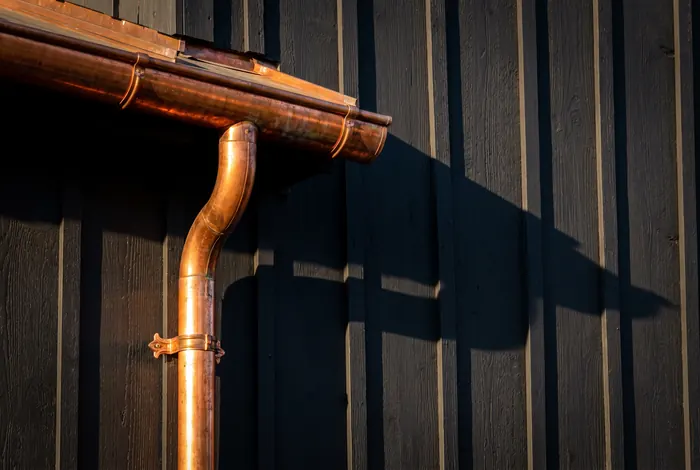
Stay on the ground. Most of what matters can be seen from a driveway with the sun low behind you: granules washed into the gutter run, a downspout outlet with more grit than usual, dented soft metal on vents or on the mailbox, and a ridge line that reads uneven against the sky. If the soft metal on the ground took a dent, the roof took the same hit.
If any of that is there, get someone up before the next rain. Water finds a bruised mat quicker than most people expect.
Metal or shingle on the Gulf Coast: how we actually decide
It is not a preference. It comes down to the deck, the slope, how long you are staying and what the wind does to the edge.
Read itThe first 48 hours after a storm, in order
What to do, what to photograph, and the two things people do in the first day that cost them later.
Read itBook a raking-light inspection
We photograph the roof in the hour when the damage shows, and send you the file.
Book it